
Myopia Management
Myopia
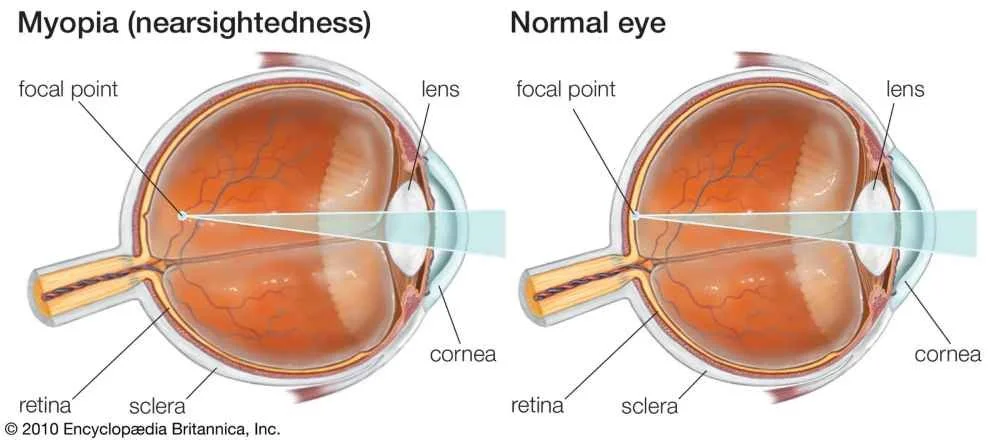
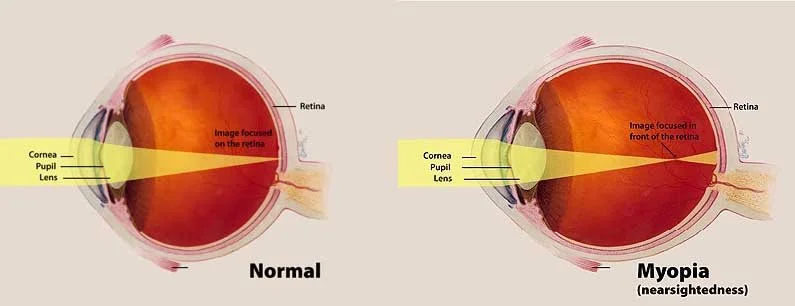
A common condition that involves nearsightedness (difficulty seeing far). Distance objects appear blurry and if not addressed can become worse as your child gets older. Common issues of myopia are high myopia and degenerative myopia. Your eyeball gets longer which can increase chances of having an abnormally high prescription.
Genetics play a key part in myopia for kids especially kids who spend significantly less time outdoors and more time indoors on digital devices (both at home and school). This indoor/outdoor imbalance appears to be an uncontrollable variable contributing to a myopia epidemic worldwide.a
Signs and Symptoms
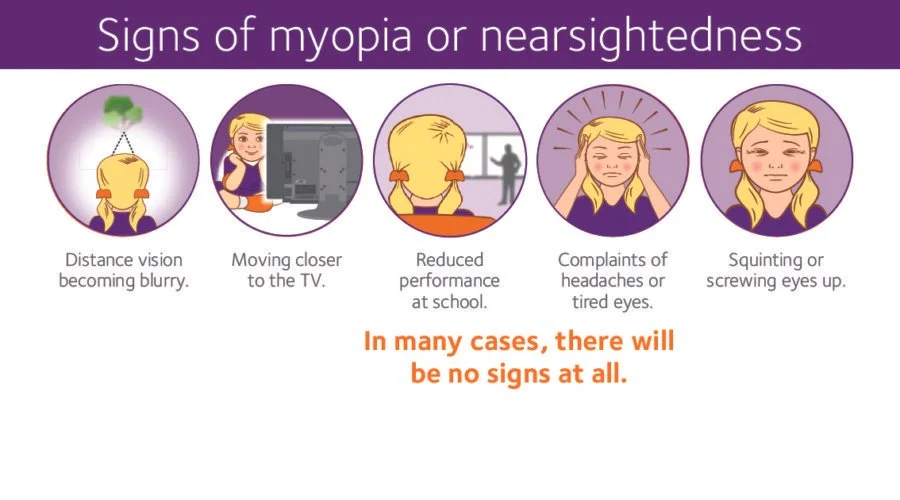
Your child may display one or more of the following habits due to myopia:
Persistent squinting
Needing to sit closer to see
Holding books and electronics very close to see
Seems to be unaware of distant objects
Excessive blinking
Rubbing eyes frequently
Poor grades or falling behind in school
MYOPIA MANAGEMENT PROGRAMS
Fortunately, we now have several safe and effective options to help us accomplish the goal of myopia management. Myopia management is made to slow down myopia progressions by at least 50%.
Visual Acuity Eyecare provides treatments plans that may prevent further complications associated with myopia such as:
ORTHOKERATOLOGY LENSES – GOLD STANDARD OF MYOPIA MANAGEMENT
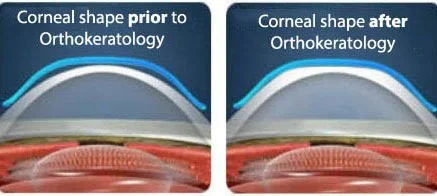
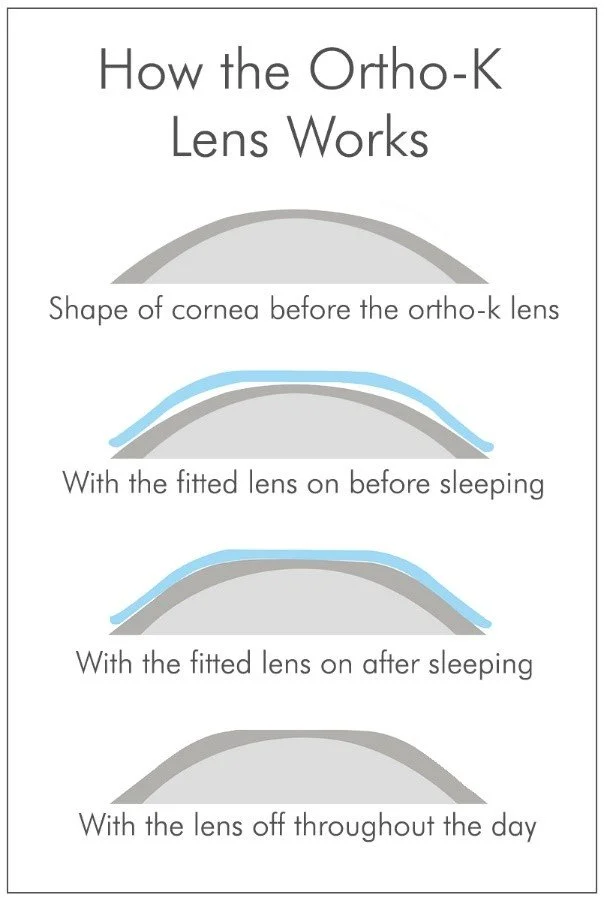
They are custom made gas–permeable contact lenses that are applied at bedtime and worn overnight. While sleeping, the lenses will gently reshape the curvature of the cornea to correct their vision. The patients removes the Ortho-K lenses every morning and will be able to see without daytime glasses or contact lenses.
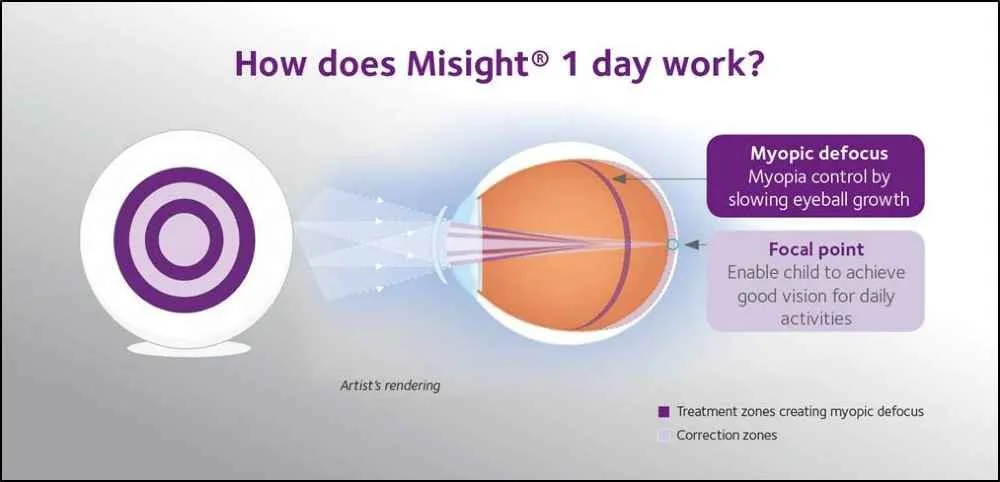
MISIGHT 1 DAY SOFT LENSES – FDA APPROVED
The only FDA-approved daily wear, single-use soft contact lens
Low-Dose Atropine Drops - Eye Drops at Night
Involved in the regulation of elongation of the eye. It’s the only ‘off-label’ medication that has demonstrated to be consistently effective in slowing myopia progression.
To learn more or speak with our specialized doctor, schedule an exam with us today!
Myopia Management FAQs
What is myopia (nearsightedness) and why is it increasing?
Myopia, or nearsightedness, is a condition where distance vision is blurry because the eye grows too long. At Visual Acuity Eyecare, Dr. John Du explains that myopia is increasing due to more screen time, less outdoor activity, and increased near work in children.
How fast does myopia progress in children?
Myopia can worsen quickly in children, often progressing every year if left untreated. At Visual Acuity Eyecare, Dr. John Du monitors progression closely and recommends early intervention to slow down eye growth and reduce long-term risks.
What age should my child start myopia control treatment?
Myopia control treatment can start as early as ages 5–6, depending on the child. Dr. John Du at Visual Acuity Eyecare recommends starting treatment as soon as myopia is diagnosed to achieve the best long-term results.
What are the best treatments to slow myopia progression?
The most effective treatments include MiSight contact lenses, orthokeratology (Ortho-K), low-dose atropine eye drops, and Stellest lenses. At Visual Acuity Eyecare, Dr. John Du customizes treatment based on your child’s age, prescription, and lifestyle.
Do MiSight contact lenses really work for myopia control?
Yes, MiSight lenses are FDA-approved and clinically proven to slow myopia progression in children. At Visual Acuity Eyecare, Dr. John Du frequently recommends MiSight as a safe and effective option for kids.
What is orthokeratology (Ortho-K) and is it safe for kids?
Ortho-K uses specially designed overnight contact lenses to gently reshape the cornea while sleeping. Dr. John Du at Visual Acuity Eyecare considers Ortho-K a safe and effective option for children when properly monitored.
Can screen time or iPads cause myopia in children?
Excessive screen time and prolonged near work can contribute to myopia progression. At Visual Acuity Eyecare, Dr. John Du recommends limiting screen time and increasing outdoor activity to help protect children’s vision.
Is myopia genetic or caused by lifestyle?
Myopia can be influenced by both genetics and lifestyle factors. Dr. John Du at Visual Acuity Eyecare explains that even if parents are nearsighted, proper treatment can significantly slow progression in children.
How much outdoor time helps prevent myopia progression?
Studies show that at least 1.5 to 2 hours of outdoor time daily can help reduce the risk of myopia progression. At Visual Acuity Eyecare, Dr. John Du encourages outdoor play as part of a comprehensive myopia management plan.
What happens if my child's myopia keeps getting worse?
If myopia continues to worsen, it increases the risk of serious eye conditions later in life, such as retinal detachment and glaucoma. Dr. John Du at Visual Acuity Eyecare focuses on slowing progression early to protect long-term eye health.
Are glasses enough to control myopia progression?
Regular glasses can correct vision but do not slow myopia progression. At Visual Acuity Eyecare, Dr. John Du offers advanced treatments like MiSight, Ortho-K, atropine, and Stellest lenses to actively manage myopia.
What is the difference between myopia control and regular glasses?
Regular glasses only improve vision, while myopia control treatments are designed to slow the progression of nearsightedness. Dr. John Du at Visual Acuity Eyecare provides customized treatment plans that go beyond standard vision correction.
Is myopia control covered by insurance?
Most myopia control treatments are not fully covered by insurance, but partial benefits may apply. At Visual Acuity Eyecare, Dr. John Du and the team help patients understand their options and maximize available benefits.
How long does myopia control treatment take?
Myopia control is typically a long-term treatment that continues throughout childhood and teenage years. Dr. John Du at Visual Acuity Eyecare adjusts treatment over time to ensure the best results as your child grows.
Can adults benefit from myopia control treatments?
While myopia control is most effective in children, some treatments may still benefit adults in specific cases. Dr. John Du at Visual Acuity Eyecare evaluates each patient individually to determine the best approach.
Quick Links
Helpful Articles
article_category: products
article_category: psychiatry
article_category: faqs
article_category: cats
article_category: general
article_category: services
article_category: technology
article_category: dogs
article_category: restorative
article_category: vision therapy
article_category: contact lenses
article_category: health
article_category: conditions
article_category: eye surgery co-management
article_category: exotic
article_category: cosmetic
article_category: surgical procedures
article_category: aesthetics
article_category: preventative
article_category: ocular disease management
article_category: eyeglasses
article_category: eye health
article_category: large animal
[]
article_category: psychiatry
article_category: faqs
article_category: cats
article_category: general
article_category: services
article_category: technology
article_category: dogs
article_category: restorative
article_category: vision therapy
article_category: contact lenses
article_category: health
article_category: conditions
article_category: eye surgery co-management
article_category: exotic
article_category: cosmetic
article_category: surgical procedures
article_category: aesthetics
article_category: preventative
article_category: ocular disease management
article_category: eyeglasses
article_category: eye health
article_category: large animal
[]
Flowbite is an open-source library of interactive components built on top of Tailwind CSS including buttons, dropdowns, modals, navbars, and more.
Check out this guide to learn how to get started and start developing websites even faster with components on top of Tailwind CSS.
All Eye Care Services
Find personalized eye care excellence with our comprehensive services. From eye exams to advanced diagnostics, trust us for all your vision needs.

Keep In Touch
For non-urgent questions or to learn more about our services, contact us today!
© 2026 Visual Acuity Eyecare. All rights Reserved - Accessibility Statement - Privacy Policy - Terms and Conditions - Sitemap
Managed and Designed by 