How Eye Exams Detect More Than Just Vision Problems
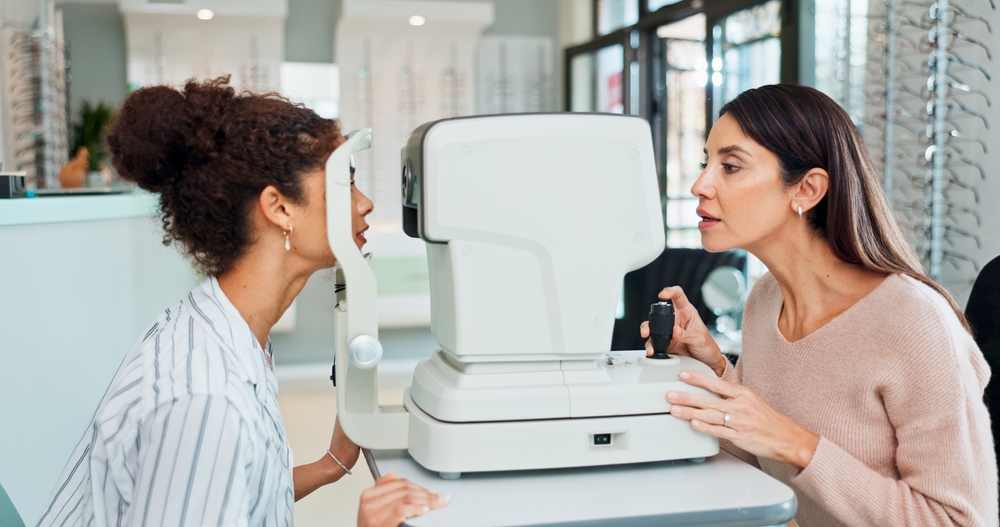
When most people think about an eye exam, they imagine reading letters on a chart or updating a glasses prescription. While those are important parts of the visit, comprehensive eye exams do far more than measure how clearly you see. Routine eye exams at Visual Acuity Eyecare can uncover early signs of serious eye diseases and even systemic health conditions - often before noticeable symptoms appear.
Eye Exams Can Reveal Early Eye Diseases
Many eye conditions develop gradually and without pain or obvious symptoms. During a comprehensive eye exam, your optometrist evaluates the health of your eyes using advanced diagnostic tools to detect conditions early, when treatment is most effective.
Some of the most common eye diseases detected during routine exams include:
• Glaucoma - Often called the “silent thief of sight,” glaucoma can cause irreversible vision loss without early warning signs.
• Macular degeneration - A leading cause of vision loss that affects central vision, especially as we age.
• Cataracts - Clouding of the eye’s natural lens that can worsen slowly over time.
• Diabetic eye disease - Changes in the retina caused by diabetes that may occur before vision changes are noticeable.
Early detection allows for better management and helps preserve long-term vision.
Eye Exams Can Detect Signs of Systemic Health Conditions
Your eyes provide a unique window into your body’s overall health. Because blood vessels, nerves, and tissues in the eye are easily visible, eye exams can reveal early signs of medical conditions that affect the entire body.
An eye exam may help identify indicators of:
• Diabetes
• High blood pressure
• High cholesterol
• Autoimmune disorders
In some cases, patients learn about underlying health concerns during an eye exam before symptoms appear elsewhere.
Eye Exams Evaluate Eye Comfort and Visual Function
Clear vision isn’t the only factor that matters. Eye exams also assess how well your eyes work together and how comfortable they are during daily activities.
Your exam may uncover issues such as:
• Dry eye disease
• Eye strain and digital eye fatigue
• Focusing or tracking problems
• Binocular vision issues
These conditions can impact work productivity, reading, screen use, and overall quality of life—even if your vision appears “20/20.”
Children’s Eye Exams Support Learning and Development
For children, eye exams play a critical role in academic success and development. Vision problems can interfere with reading, attention, and classroom performance, often without a child realizing anything is wrong.
Comprehensive pediatric eye exams can detect:
• Focusing or eye-teaming issues
• Amblyopia (lazy eye)
• Early nearsightedness or farsightedness
• Vision problems that may affect learning and behavior
Early intervention helps ensure children have the visual tools they need to succeed in school.
Protect Your Vision and Your Health
Eye exams do far more than determine whether you need glasses or contact lenses. They help protect your eyesight, support early detection of eye diseases, and can even uncover signs of broader health issues. By scheduling regular comprehensive eye exams, you’re taking an important step toward maintaining both your vision and your overall well-being.
Contact Visual Acuity Eyecare to schedule a comprehensive eye exam and take a proactive approach to protecting your vision and your health. Contact our offices in Fairfax, Virginia by calling (571) 470-0112 book an appointment today.
Quick Links
Helpful Articles
article_category: products
article_category: psychiatry
article_category: faqs
article_category: cats
article_category: general
article_category: services
article_category: technology
article_category: dogs
article_category: restorative
article_category: vision therapy
article_category: contact lenses
article_category: health
article_category: conditions
article_category: eye surgery co-management
article_category: exotic
article_category: cosmetic
article_category: surgical procedures
article_category: aesthetics
article_category: preventative
article_category: ocular disease management
article_category: eyeglasses
article_category: eye health
article_category: large animal
[]
article_category: psychiatry
article_category: faqs
article_category: cats
article_category: general
article_category: services
article_category: technology
article_category: dogs
article_category: restorative
article_category: vision therapy
article_category: contact lenses
article_category: health
article_category: conditions
article_category: eye surgery co-management
article_category: exotic
article_category: cosmetic
article_category: surgical procedures
article_category: aesthetics
article_category: preventative
article_category: ocular disease management
article_category: eyeglasses
article_category: eye health
article_category: large animal
[]
Flowbite is an open-source library of interactive components built on top of Tailwind CSS including buttons, dropdowns, modals, navbars, and more.
Check out this guide to learn how to get started and start developing websites even faster with components on top of Tailwind CSS.
All Eye Care Services
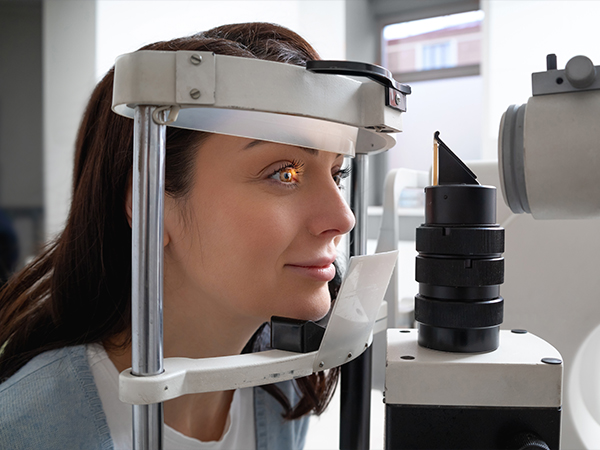
Find personalized eye care excellence with our comprehensive services. From eye exams to advanced diagnostics, trust us for all your vision needs.

Keep In Touch
For non-urgent questions or to learn more about our services, contact us today!
© 2026 Visual Acuity Eyecare. All rights Reserved - Accessibility Statement - Privacy Policy - Terms and Conditions - Sitemap
Managed and Designed by 